-
-
-
Pondicherry, Chennai
Blog Details
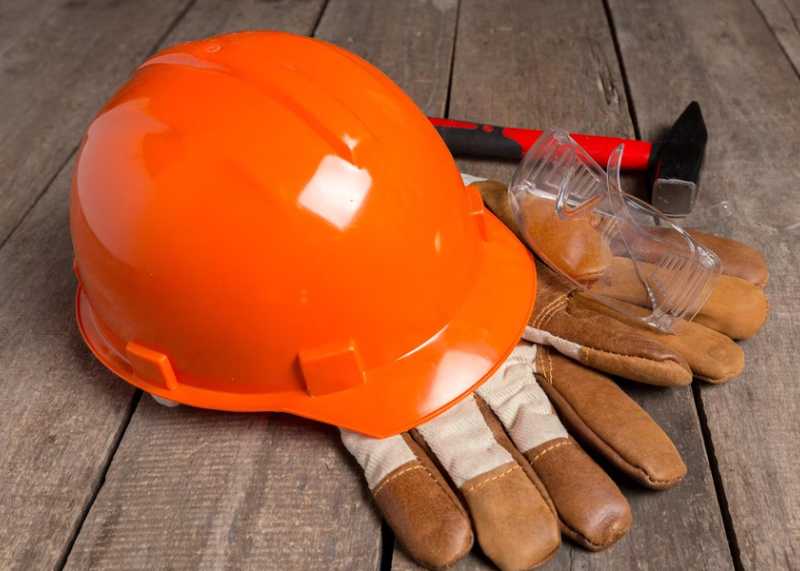
Your Second Skin: Complete Guide to Personal Protective Equipment
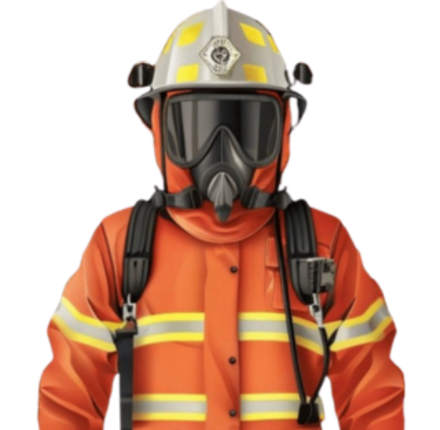
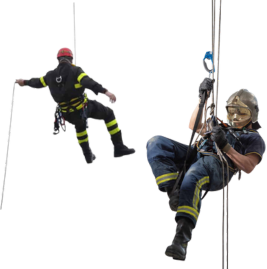
Your Second Skin: The Complete Guide to Personal Protective Equipment (PPE). In any workplace where hazards cannot be completely engineered out, Personal Protective Equipment becomes your second skin the critical barrier between you and potential harm. This comprehensive guide will walk you through everything you need to know about building your PPE strategy. Understanding the PPE Hierarchy. Remember: PPE is the last line of defense. It should complement other safety measures like engineering controls and administrative controls. The Major Categories of PPE. 1. Head Protection. When needed: Falling objects, overhead hazards, electrical exposure. Key equipment: Hard hats, bump caps, helmets. Classes: G (General), E (Electrical), C (Conductive). Maintenance: Regular inspection for dents, cracks, and UV damage. 2. Eye and Face Protection. When needed: Flying particles, chemical splashes, radiation. Key equipment: Safety glasses, goggles, face shields, welding helmets. Selection: Match protection type to specific hazard. Critical: Always ensure proper fit and complete coverage. 3. Hearing Protection. When needed: Noise levels above 85 dBA. Key equipment: Earplugs, earmuffs, semi-insert devices. Selection: Match NRR to noise environment, consider comfort. Training: Proper insertion techniques essential. 4. Respiratory Protection. When needed: Dust, fumes, vapors, oxygen-deficient atmospheres. Key equipment: Disposable to full-face respirators, supplied-air systems. Requirements: Medical evaluation, fit testing, comprehensive training. Maintenance: Regular cartridge changes and cleaning. 5. Hand Protection. When needed: Chemical exposure, cuts, abrasions, temperature extremes. Key equipment: Chemical-resistant, cut-resistant, thermal gloves. Selection: Match material to specific hazards, ensure proper sizing. Inspection: Check for tears and degradation before each use. 6. Body Protection. When needed: Chemical exposure, extreme temperatures, impact hazards. Key equipment: Coveralls, aprons, lab coats, high-visibility clothing. Selection: Choose materials based on specific hazards. Fit: Ensure proper fit without restriction. 7. Foot Protection. When needed: Falling objects, electrical hazards, slippery surfaces. Key equipment: Steel-toe boots, metatarsal guards, electrical-hazard shoes. Selection: Match protection to workplace hazards. Comfort: Consider all-day wear requirements. Building an Effective PPE Program. 1. Hazard Assessment. Conduct thorough workplace assessments to identify all potential hazards. 2. Proper Selection. Choose PPE that provides adequate protection, fits properly, and does not create new hazards. 3. Employee Training. Train workers on when PPE is necessary, how to use it properly, and its limitations. 4. Fit Testing and Comfort. Ensure proper fit through individual assessment and address comfort concerns. 5. Maintenance and Replacement. Establish procedures for cleaning, inspection, storage, and timely replacement. Common PPE Mistakes to Avoid. One-size-fits-all approach. Mixing incompatible equipment. Poor maintenance. Inadequate training. Complacency with quick jobs. PPE Program Checklist. Conducted hazard assessment. Selected appropriate PPE for each hazard. Established fit testing procedures. Developed comprehensive training program. Created maintenance and replacement schedule. Implemented compliance monitoring. Scheduled regular program reviews. The Bottom Line. Your PPE is more than just equipment it is your second skin, your personal protection system that goes with you wherever the hazards are. A well-planned PPE program demonstrates a genuine commitment to worker safety and well-being. Remember: The most expensive PPE is the kind that sits unused. Invest in the right equipment, proper training, and a strong safety culture. Ready to enhance your PPE program? Contact our safety specialists for a comprehensive assessment of your protective equipment needs.