-
-
-
Pondicherry, Chennai
Blog Details
Knowledge is Safety: Critical Role of Professional Safety Training
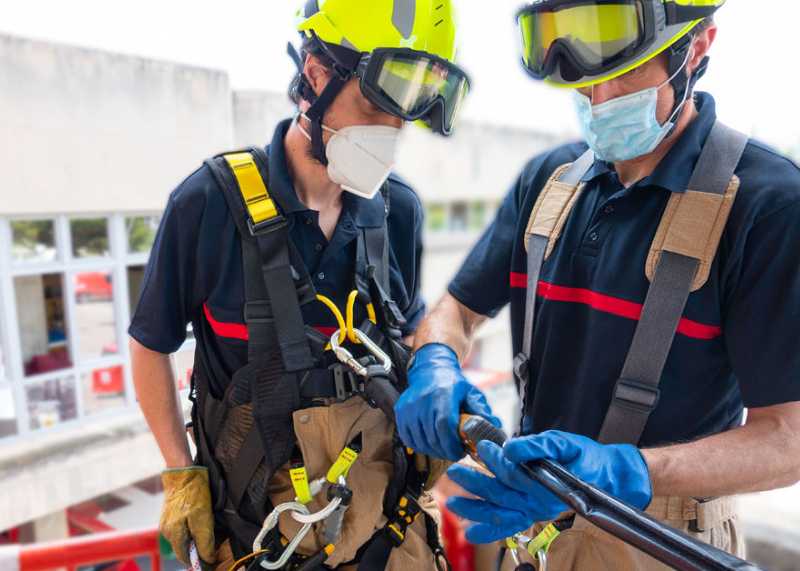
Knowledge is Safety: The Critical Role of Professional Safety Training. In todays complex work environments, safety is no longer just about following rules it is about understanding risks, making smart decisions, and creating a culture where every employee returns home safely each day. Beyond Compliance: Why Training Matters More Than Ever. Effective safety training goes far beyond checking regulatory boxes: Empowers employees to recognize and respond to hazards. Builds confidence to speak up about unsafe conditions. Creates critical thinkers who can assess risks in real-time. Fosters a safety culture that becomes organizational DNA. The Real Cost of Inadequate Training. Human Cost: Workplace injuries and fatalities. Financial Impact: Workers compensation claims and productivity losses. Reputational Damage: Loss of client trust and talent attraction issues. Operational Disruption: Project delays and increased insurance costs. Key Components of Effective Safety Training. 1. Hazard-Specific Training. Industry-specific risks. Equipment-specific protocols. Environment-specific challenges. Task-specific procedures. 2. Hands-On Practical Exercises. Real-world scenario practice. Equipment operation drills. Emergency response simulations. Muscle memory development. 3. Continuous Learning Approach. Regular refresher courses. Updates for new equipment and procedures. Lessons learned from near-misses. Ongoing skill validation. 4. Engagement and Retention Strategies. Interactive learning methods. Real-life case studies. Practical applications. Regular knowledge checks. The Training Spectrum: From New Hire to Seasoned Pro. For New Employees. Foundation safety principles. Company-specific protocols. Emergency procedures. Reporting mechanisms. For Experienced Workers. Advanced hazard recognition. Mentorship training. Incident investigation skills. Safety leadership development. For Supervisors and Managers. Legal responsibilities. Risk assessment techniques. Safety program management. Cultural leadership skills. Measuring Training Effectiveness. Reduced incident rates. Improved safety observations. Increased near-miss reporting. Enhanced safety conversations. Better compliance audits. Building a Learning Culture. Toolbox talks and safety moments. Peer-to-peer coaching. Cross-training opportunities. Continuous improvement feedback loops. The ROI of Safety Training. Reduced workers compensation costs. Lower equipment repair and replacement. Increased productivity and uptime. Improved employee retention. Enhanced company reputation. Your Training Action Plan. Assess current training gaps and needs. Develop a comprehensive training matrix for all roles. Choose qualified instructors with relevant experience. Implement a mix of delivery methods. Establish clear metrics for measuring effectiveness. Create a continuous improvement cycle. The Bottom Line: Knowledge Saves Lives. Professional safety training is not an expense it is an investment in your most valuable asset: your people. When employees understand not just what to do, but why they are doing it, they become active participants in their own safety. Ready to build a safer workplace through knowledge? Contact our safety training specialists to develop a customized program that addresses your unique risks and transforms your safety culture. Remember: In the world of workplace safety, what you do not know can hurt you. Invest in knowledge it is the one safety tool that never wears out.